
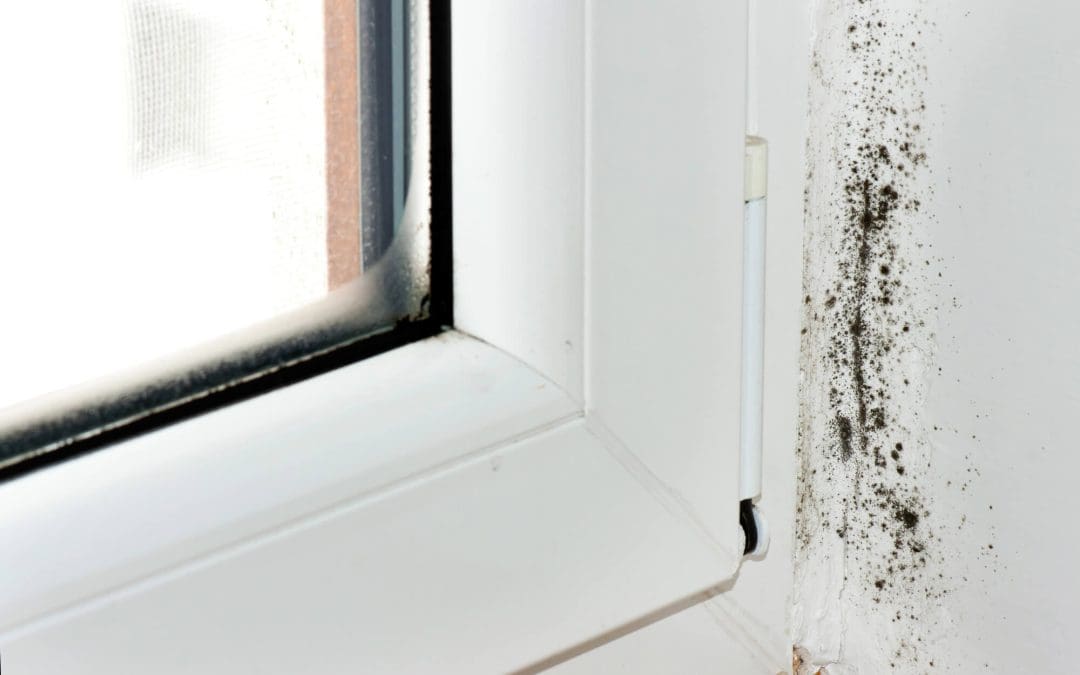
Mold is one of those household problems that often goes unnoticed until it becomes expensive and disruptive. Knowing how to prevent mold growth is essential for protecting both a home’s structure and the health of the people living in it. Mold thrives in damp, poorly ventilated spaces, but with the right habits and maintenance strategies, homeowners can significantly reduce the risk and keep indoor environments cleaner and safer.
Why It’s Important to Prevent Mold Growth
Mold is more than a cosmetic issue. It could weaken building materials, damage finishes, and contribute to unpleasant odors. More importantly, prolonged exposure to mold spores may trigger allergies, respiratory irritation, and other health concerns. Preventing mold growth early is far easier and more cost-effective than remediation after it spreads behind walls or under flooring.
Understanding What Causes Mold in Homes
Mold needs three things to grow: moisture, organic material, and time. Homes naturally provide organic material such as wood, drywall, and dust. Moisture, however, is the variable homeowners can control. Leaks, condensation, poor drainage, and high indoor humidity are common contributors. Understanding where moisture comes from is the first step toward long-term prevention.
How Moisture Control Helps Prevent Mold Growth
Managing moisture is the foundation of mold prevention. Keeping indoor humidity levels below 50 percent limits the conditions mold needs to thrive. Exhaust fans in bathrooms, kitchens, and laundry rooms help remove excess moisture from daily activities. Dehumidifiers could be especially useful in basements, crawl spaces, or other areas prone to dampness.
Prevent Mold Growth by Addressing Leaks Quickly
Even small leaks can create the perfect environment for mold if left unresolved. Dripping pipes, roof leaks, or water intrusion around windows and doors should be repaired as soon as they are discovered. Water-damaged materials that do not dry quickly, such as insulation or drywall, often need to be replaced to fully prevent mold growth from taking hold.
Ventilation Matters More Than Most Homeowners Realize
Proper airflow plays a critical role in moisture control. Poorly ventilated spaces allow humid air to linger, increasing the likelihood of condensation. Attics, basements, and closets benefit from adequate ventilation to prevent stagnant, damp conditions. Ensuring vents are unobstructed and HVAC systems are properly maintained supports consistent airflow throughout the home.
The Importance of Routine Maintenance
Regular home maintenance is one of the most effective ways to prevent mold growth. Cleaning gutters, grading soil away from the foundation, and ensuring downspouts direct water away from the home all reduce moisture intrusion. Periodic inspections of plumbing, roofing, and HVAC components help catch potential issues before they escalate.
Why Early Awareness Makes a Difference
Homeowners who stay alert to musty odors, visible discoloration, or persistent condensation are better positioned to address problems early. Mold develops gradually, often out of sight, which is why proactive habits and awareness are so important. Preventing mold growth is ultimately about consistency, not complicated solutions.
By controlling moisture, maintaining proper ventilation, and addressing issues promptly, homeowners will protect their investment and create a healthier living environment. A proactive approach not only helps prevent mold growth but also contributes to the home’s overall durability and comfort for years to come.
N8 Inspections offers comprehensive home inspection services to homebuyers and homeowners in Baltimore, Maryland, and surrounding areas. Contact us to schedule an inspection.